The best plans to discover Rome
What to see in Rome?
Roman Coliseum
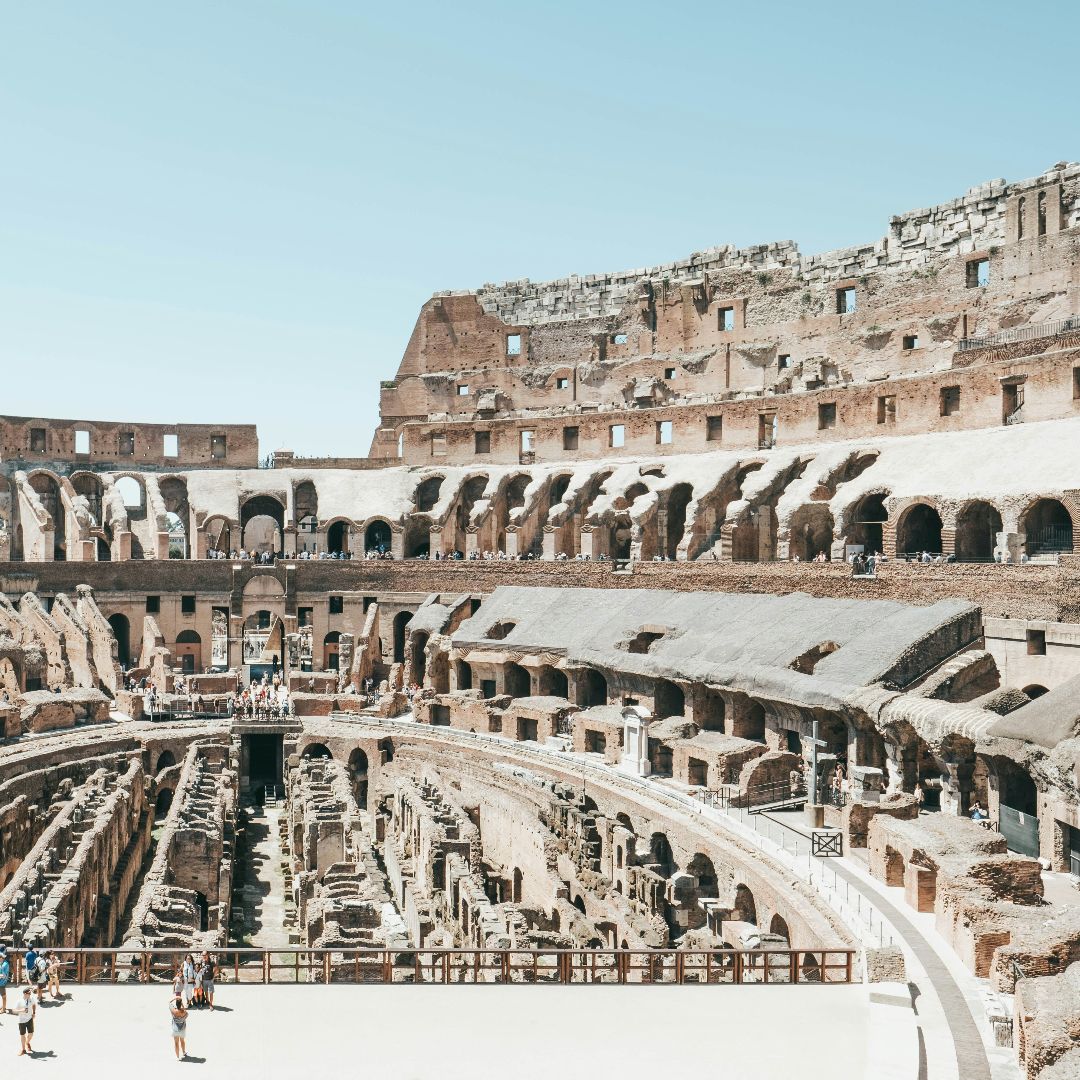
TheRoman Colosseum is the largest and most famous amphitheater in the ancient world. It is located in the city of Rome, capital of Italy, and attracts thousands of travelers from all over the world every year. It was built by the emperors of the Flavian dynasty between the years 70 and 80 AD. to host gladiator shows, animal combats, battle reenactments, and other public amusements. It could accommodate around 65,000 spectators, who accessed its stands through 80 entrance arches. The Colosseum has an elliptical shape, with a length of 188 meters, a width of 156 meters and a height of 48 meters. It is made up of four levels of arcades, decorated with different architectural orders: Doric, Ionic, Corinthian and Composite. The interior of the Colosseum was divided into three parts: the arena, where the shows took place; the podium, where the authorities and the most important personalities sat; and the cavea, where the rest of the public was distributed according to their social rank. The Colosseum was a masterpiece of engineering, which had a system of underground galleries, called hypogeums, where the gladiators, animals and stages were housed. It also had a complex lifting mechanism, which allowed the protagonists of the shows to appear and disappear. In addition, the Colosseum was equipped with a fabric awning, called a velarium, which extended over the cavea to protect the public from the sun and rain. The Colosseum was used as an entertainment venue for more than four centuries, until 523 AD, when the last games were held. Later, it underwent several transformations and deteriorations, due to earthquakes, fires, looting and abandonment. In the Middle Ages, it became a fortress, a quarry, a seat of religious orders and a refuge for the poor. In the Renaissance, its historical and artistic value was recognized, and the first restoration interventions began. In the 18th century, Pope Benedict XIV declared it a sanctuary for Christian martyrs, who had been persecuted and executed in the Colosseum during the Roman Empire. Since then, the Colosseum has become a symbol of ancient Rome and the Catholic Church, and one of the most visited tourist attractions in the world. In 1980, it was declared a World Heritage Site by UNESCO, and in 2007, it was chosen as one of the seven wonders of the modern world. Obviously it is an essential visit if you travel to Rome, especially if you are passionate about history. .
Fontana di Trevi
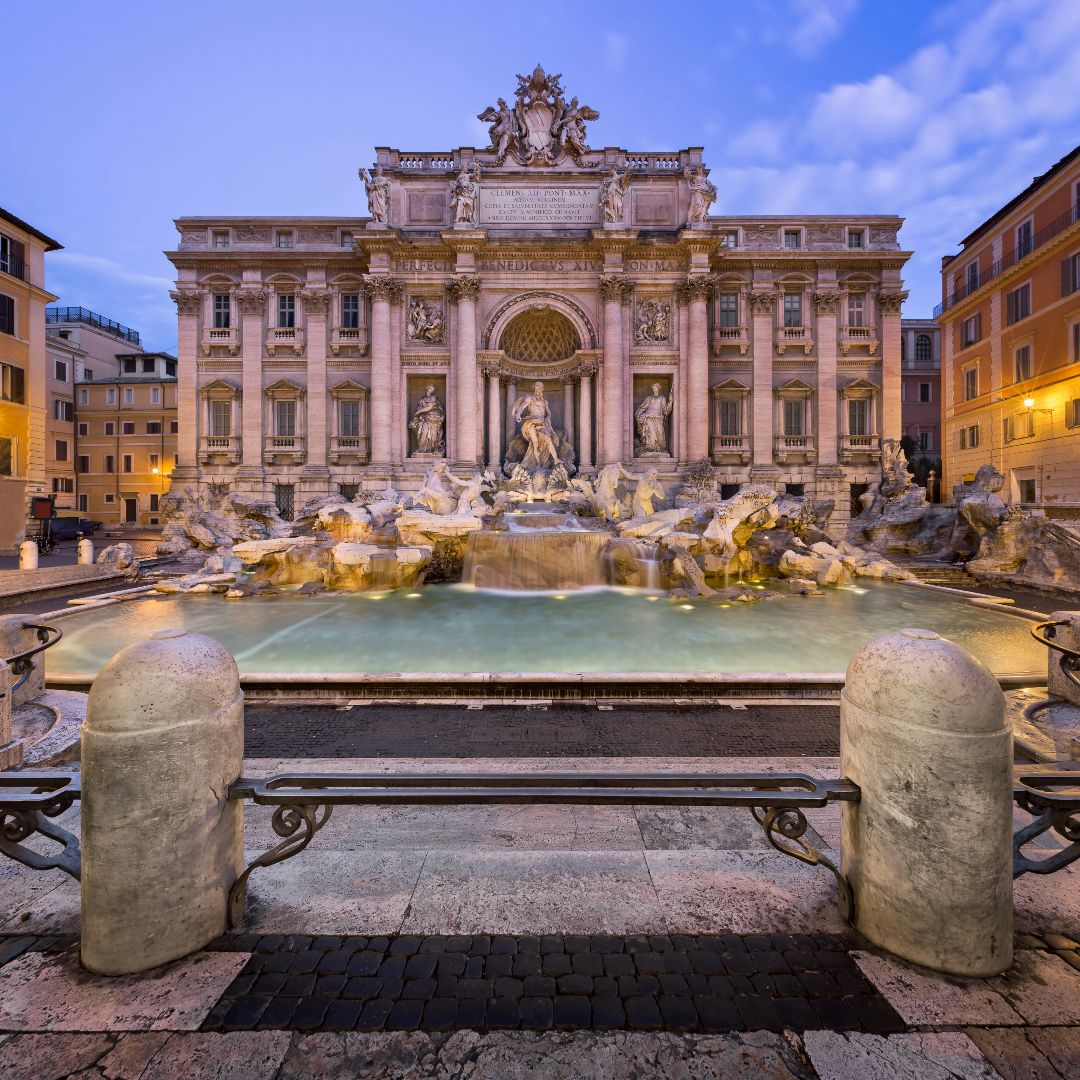
The Trevi Fountain is one of the most popular monuments in Rome. This beautiful fountain is located in the middle of the city, in Trevi Square, and is a real gem. It was built in the 18th century by Nicola Salvi and Pietro Bracci, in the Baroque style. The image represents the triumph of the god Ocean, who drives a chariot drawn by sea horses and mermen. According to tradition, if you travel to Rome you have to throw a coin into the Trevi Fountain to return. Superstition or not, what is clear is that if you travel to Rome you cannot miss this impressive fountain.
Basilica and St. Peter's Square, Vativano City
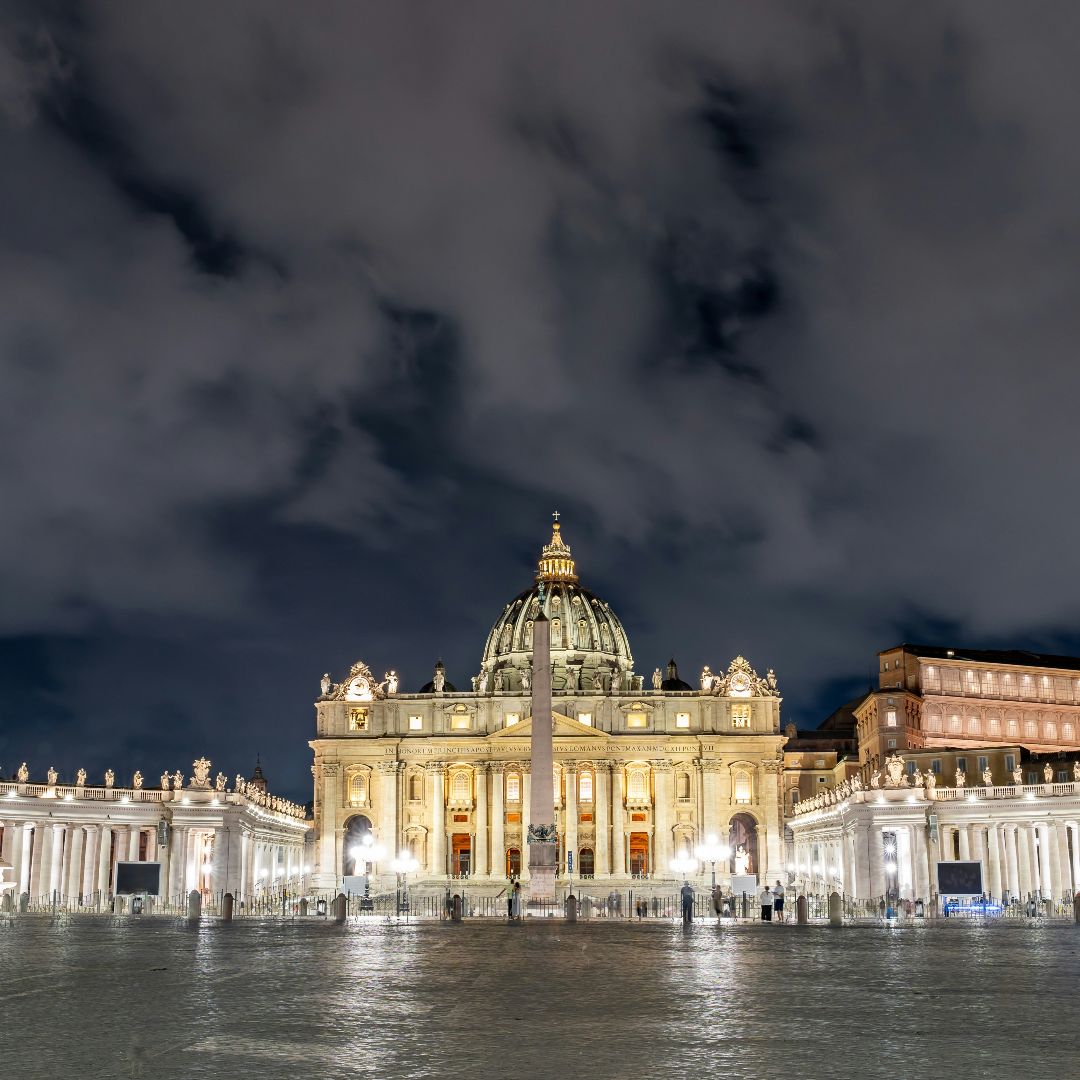
Saint Peter's Basilica is the most important Catholic temple in the world, located in Vatican City, in Saint Peter's Square. It is the place where the apostle Peter, the first pope of the Church, is believed to be buried, hence its name. The current basilica was built between the 16th and 17th centuries, with the participation of architects and artists such as Bramante, Michelangelo, Bernini and Raphael. Inside you can admire masterpieces such as Michelangelo's Pieta, Bernini's Baldachin or Michelangelo's Dome. The basilica has a capacity for 60,000 people and an area of 2.3 hectares. It is one of the four major basilicas and one of the most popular pilgrimage destinations in the world. The Saint Peter's Square in which the basilica is located, welcomes Catholics from all over the world who gather to pray the Angelus and receive the Pope's blessing. The Plaza is oval in shape, surrounded by four colonnades with 284 columns and 88 pilasters that support 140 statues of saints. In the center of the square is the 25-meter-high Egyptian obelisk.
prev
next