Nativics
Nativics
/Europe
/Spain
/Castile and Leon
/Salamanca

Salamanca

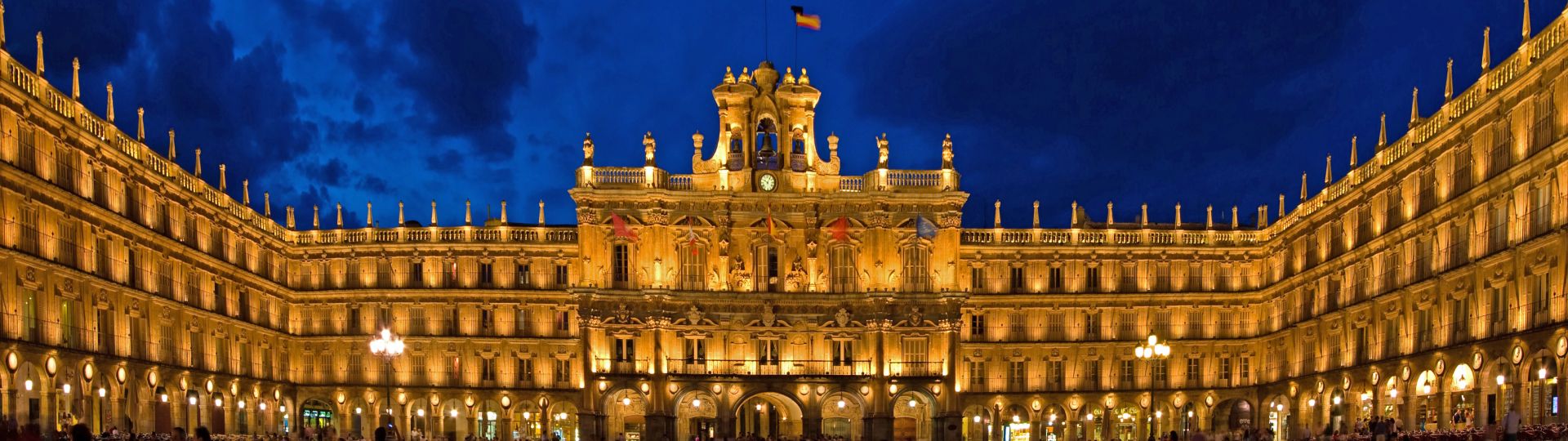
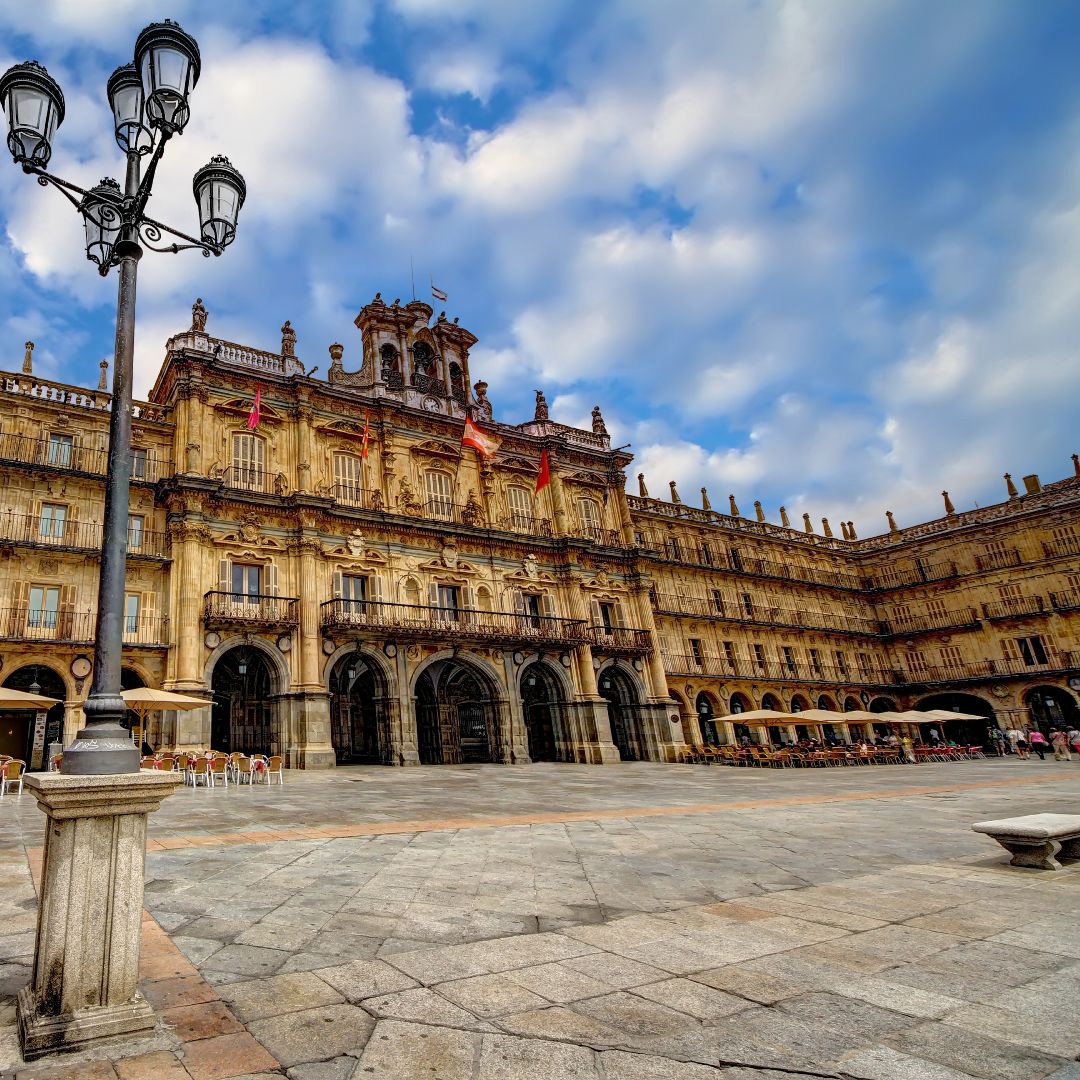
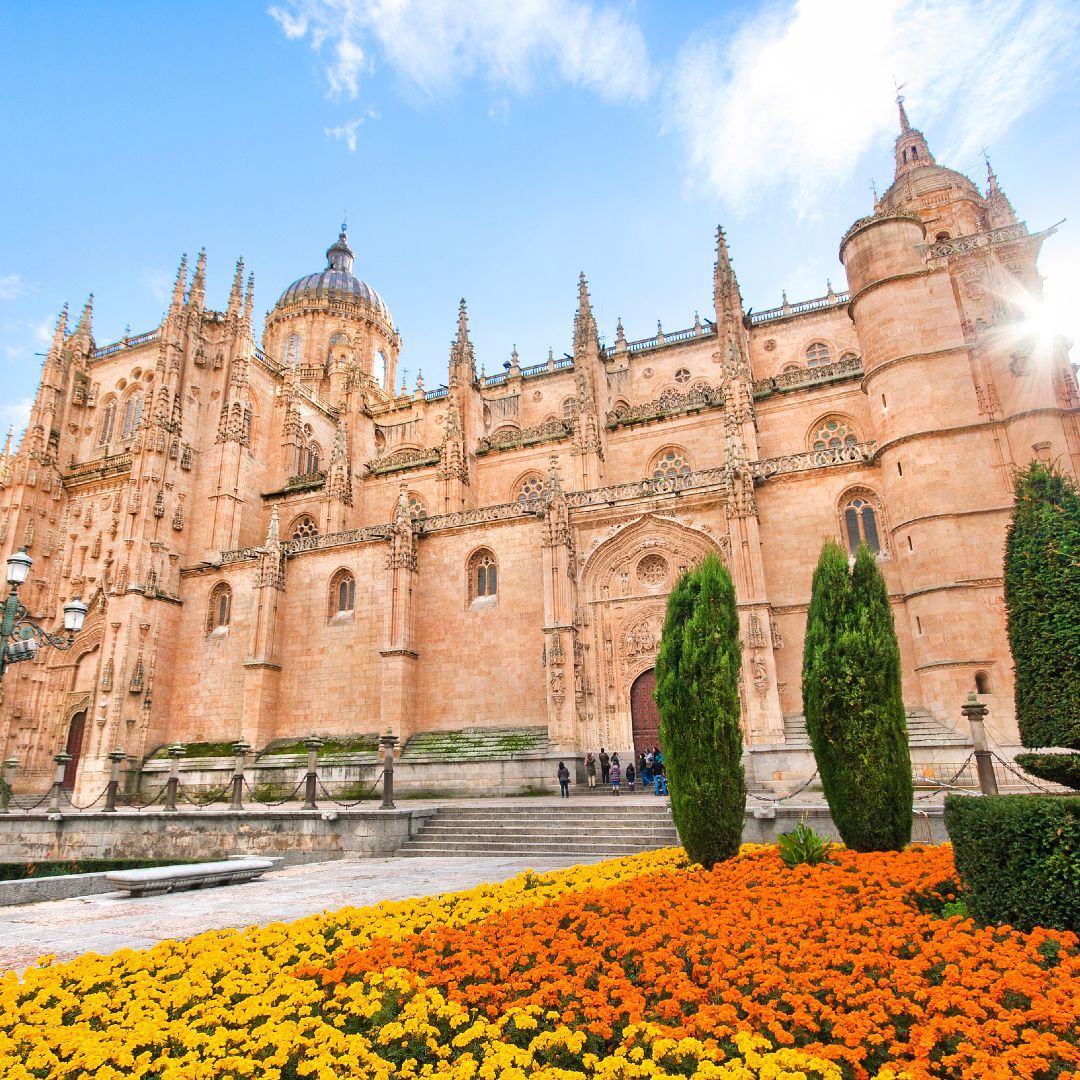
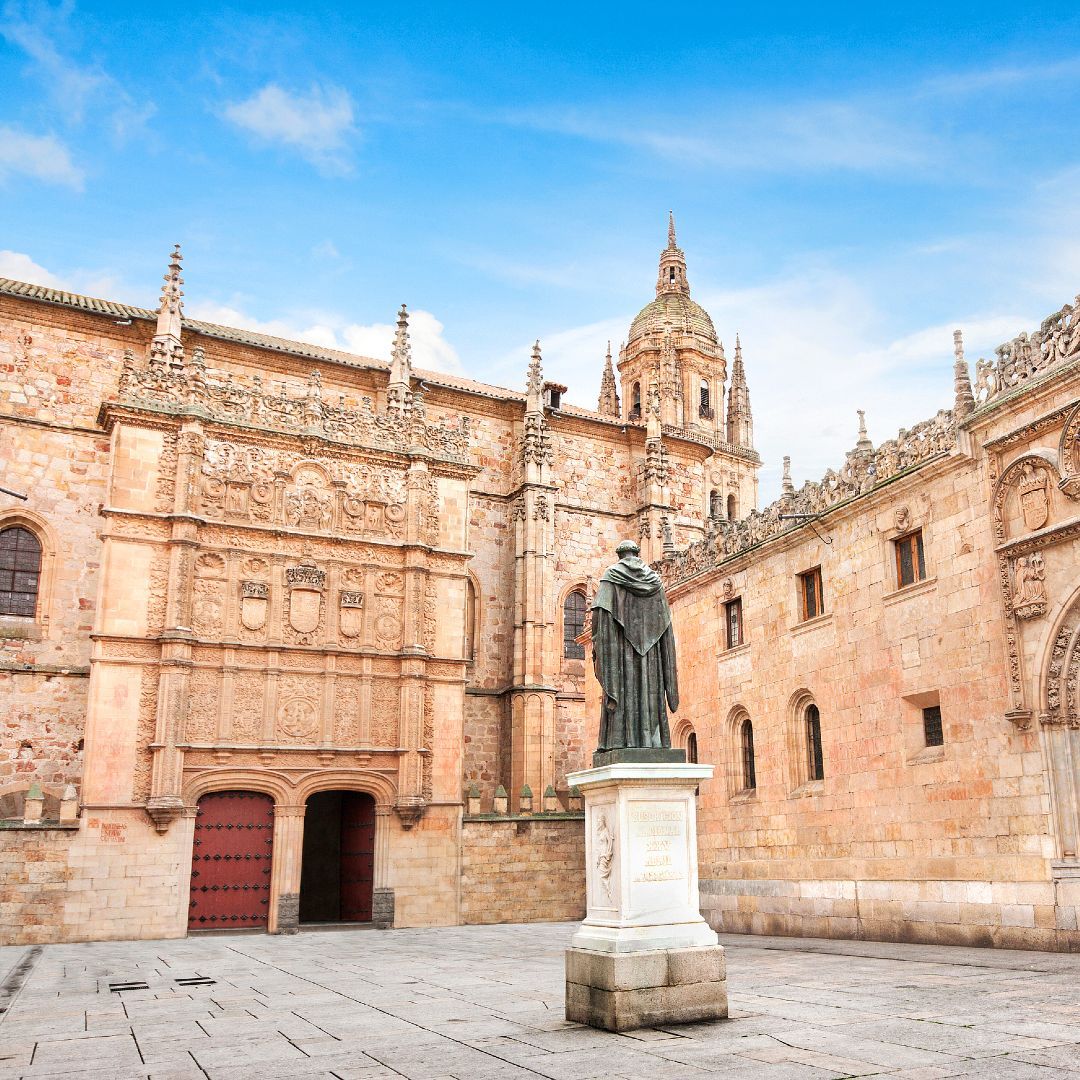
Salamanca, a UNESCO World Heritage Site, is a city in Castilla y León. The first university in Spain was founded here and it is still going strong today. Culture and history permeate every corner of this lively city, it was founded in the 12th century and by the 15th and 16th centuries it was fast becoming the intellectual powerhouse of Spain. Among the many points of interest are: the gate of the University of Salamanca and the Salamanca frog, one of the most famous symbols of this beautiful city. As well as the New Cathedral and the Old Cathedral, one attached to the other, don't forget to seek out the figure of an astronaut on one of the Cathedral's facades. Similarly, the House of the Shells, the Clerecía, the Pontifical University, the Roman Bridge, Casa Lis. the Huerto de Calixto y Melibea and the Palacio de la Salina are all worth a visit. In fact, the list is endless there is so much to see in Salamanca.

The best plans to discover Salamanca

Weekend in Salamanca

Weekend in Salamanca

Salamanca is an ideal cultural city to enjoy a weekend getaway as it is small but has a lot to offer. At Nativics we have prepared a great trip that
hotel
2 nights€86per person
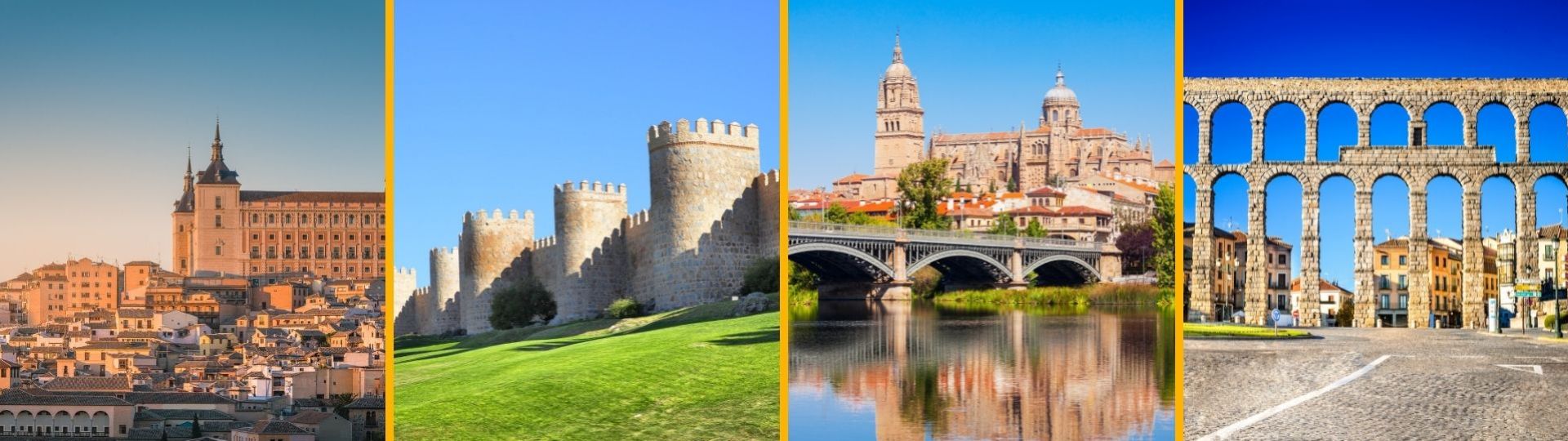
Mediaeval route. 5 days in Toledo, Ávila, Salamanca and Segovia

5-day medieval route through Toledo, Ávila, Salamanca and Segovia

From Nativics we have prepared this medieval route by car for 5 days through the cities of Toledo, Ávila, Salamanca and Segovia. All of them were declared World Heritage Sites
hotel
4 nights€95per person
image

Flight + Hotel to Salamanca

flighthotel
3 nights
Getaway to Salamanca

Getaway to Salamanca

Salamanca is an emblematic city in Castilla León, full of history and culture. Its university was the first in Spain and its surroundings are the most beautiful and Salamanca has
hotel
1 night
image

Hotels in Salamanca

hotel
3 nights

What to see in Salamanca?

Salamanca Cathedral

Cathedrals of Salamanca

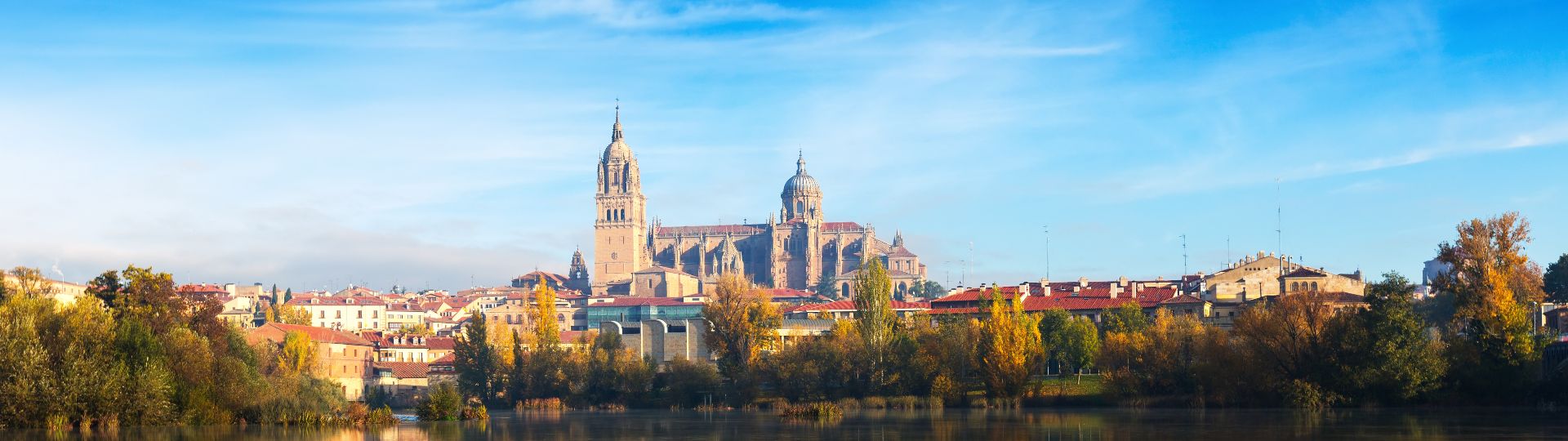
The Old Cathedral was built between the twelfth and thirteenth centuries but underwent a major reform in the seventeenth century. Romanesque style with transitional arches to Gothic, this basilica with three naves is dedicated to Santa María de la Sede and has a Latin cross plan. Annexed to the Old Cathedral, it was inaugurated in 1733. It was ordered to be built in 1513 with the collaboration of the Catholic Monarchs, so its style is mostly late Gothic. The New Cathedral stands out for the Portada de Ramos where you can find the famous astronaut in 1993. You can access the Towers of the Cathedral, from the leronimus exhibition, here it is possible to walk through the terraces that overlook the interior of the temple and admire the views of the city. 
University of Salamanca

University of Salamanca

The University of Salamanca is a building with more than 800 years of history. Its façade is the main attraction for tourists who come to find the famous little frog of the university. This public university was the first university in Spain and is one of the oldest in the world. Its creator was Alfonso IX de León who in 1218, being an illustrious man ahead of his time, wanted to have a higher education center in his kingdom. The University of Salamanca was, together with those of Paris, Oxford and Bologna, one of the first European universities. Currently, it is still active and full of students. It is the only university in Spain that has managed to remain open after so many centuries. It is the university that gives Salamanca its zest for life, the culture of student life permeates throughout the city.
Facade of the House of Shells in Salamanca

Shell House

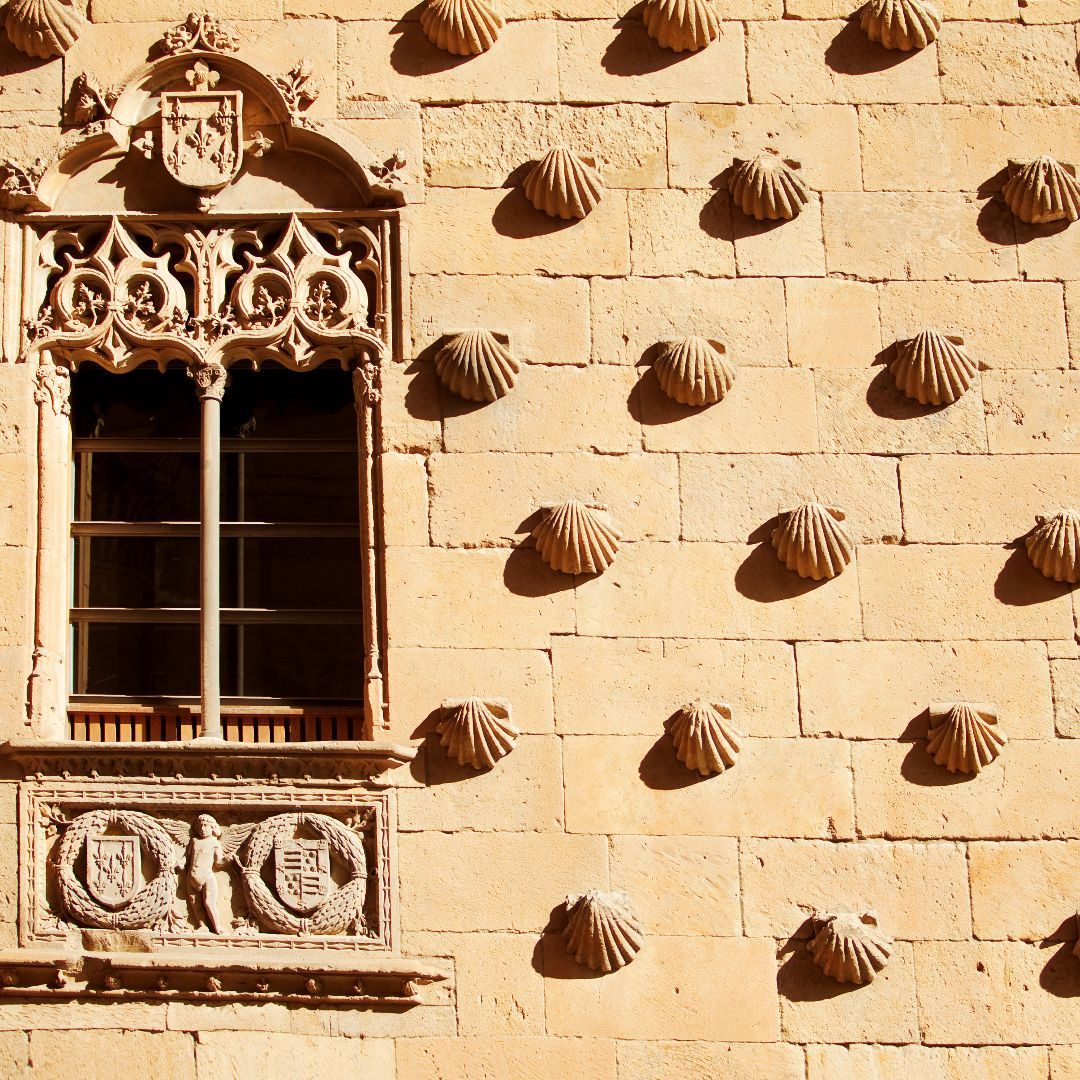
The Casa de las Conchas is a stately mansion located in Salamanca. Built at the time of the Catholic Monarchs, Noted for its façade filled with more than 300 shells. Its architectural style is a combination of late Gothic, Mudejar and Renaissance art. This family mansion has had different uses throughout history: university jail, barracks and library, and there is a legend that says a gold coin is hidden under each shell.!!
The Clergy and Scala Coeli, Salamanca

the clergy

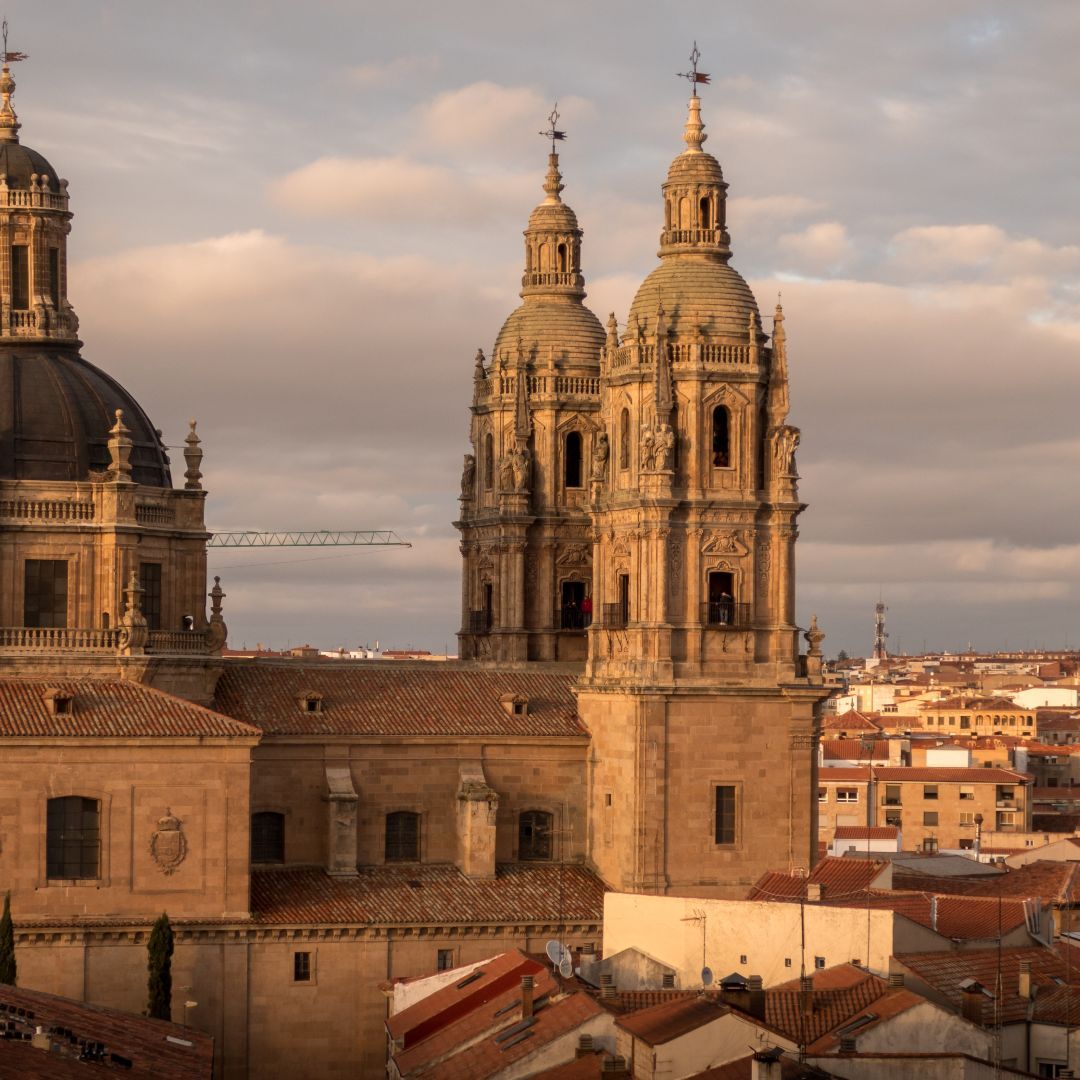
The Clergy is the name of the Royal College of the Holy Spirit of the Society of Jesus. This building consists of a baroque-style church built by Queen Margaret of Austria in the 17th century. La Clerecía is located in the city of Salamanca, at the highest point of the city, so the views are unbeatable. Currently, you can access one of its towers, the permanent exhibition called "Scala Coeli" (stairs to heaven) to admire the city from the top.
Roman Bridge, Salamanca

Salamanca Roman Bridge

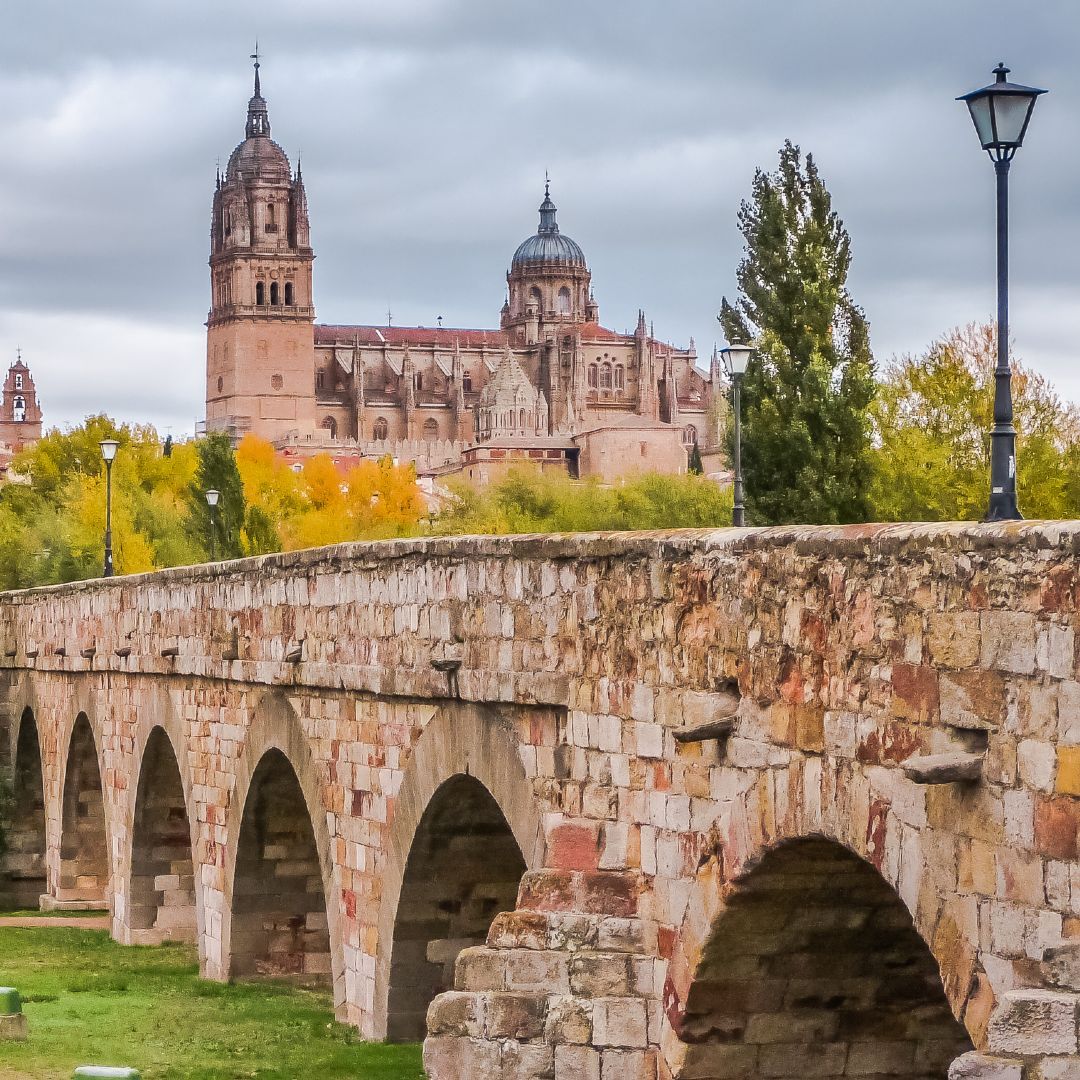
The Roman bridge of Salamanca was built in the 1st century and rebuilt in the 11th century after a flood-damaged it. Of its 26 arches, there are still 15 from Roman times. This bridge that crosses the river Tormes, at the time, was one of the most important Roman roads as it linked Astorga with Mérida on the so-called Vía de la Plata. Declared a national monument in 1931, this bridge is worth visiting as when you crossover you will see some magnificent views of the city of Salamanca.
Casa Lis, modernist building and Art Nouveau museum in Salamanca

Lis House

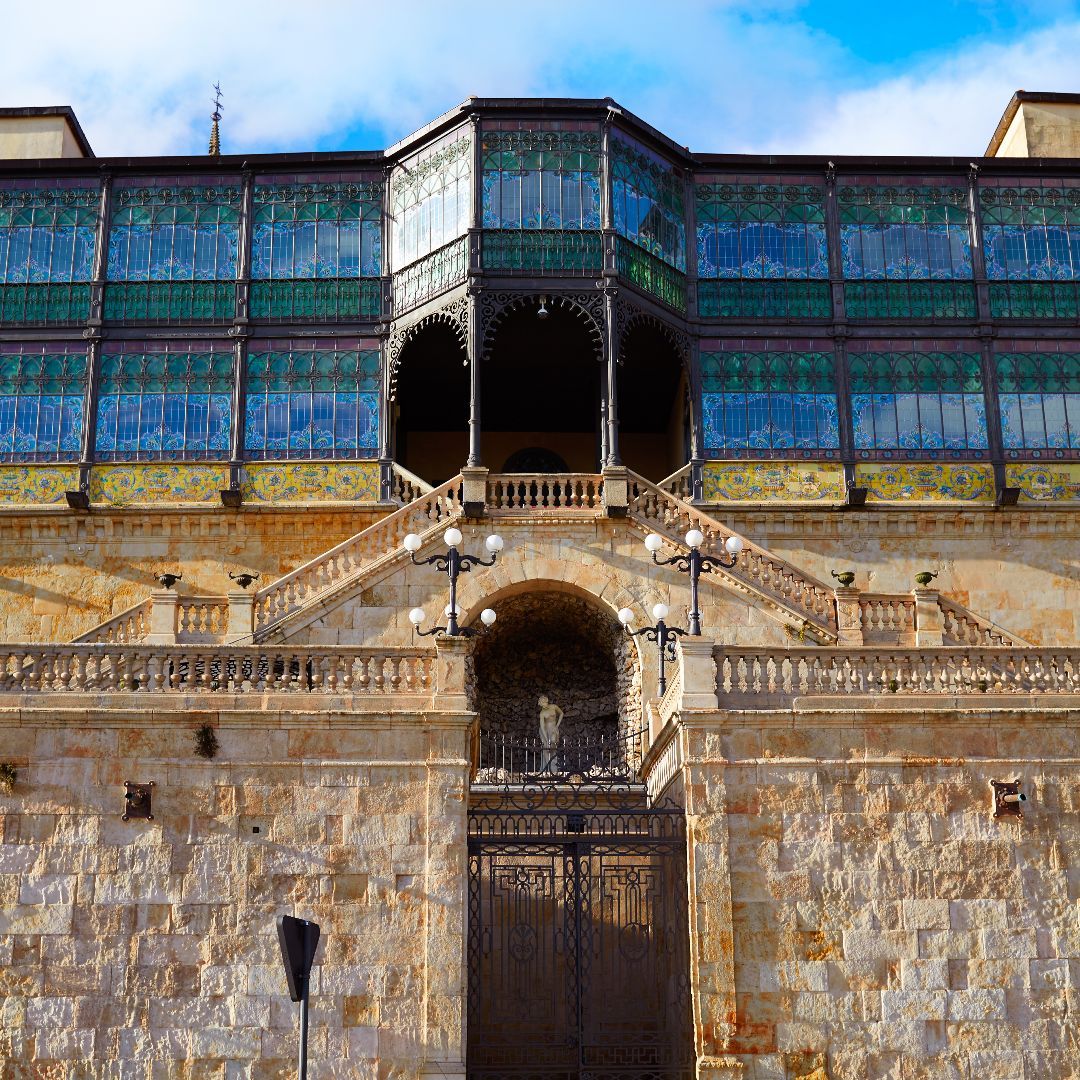
Casa Lis is a modernist-style mansion located in Salamanca, with a striking facade and many colorful stained glass windows. This building houses the Art Nouveau Art Déco Museum inside.
Orchard of Calixto and Melibea

Orchard of Calixto and Melibea

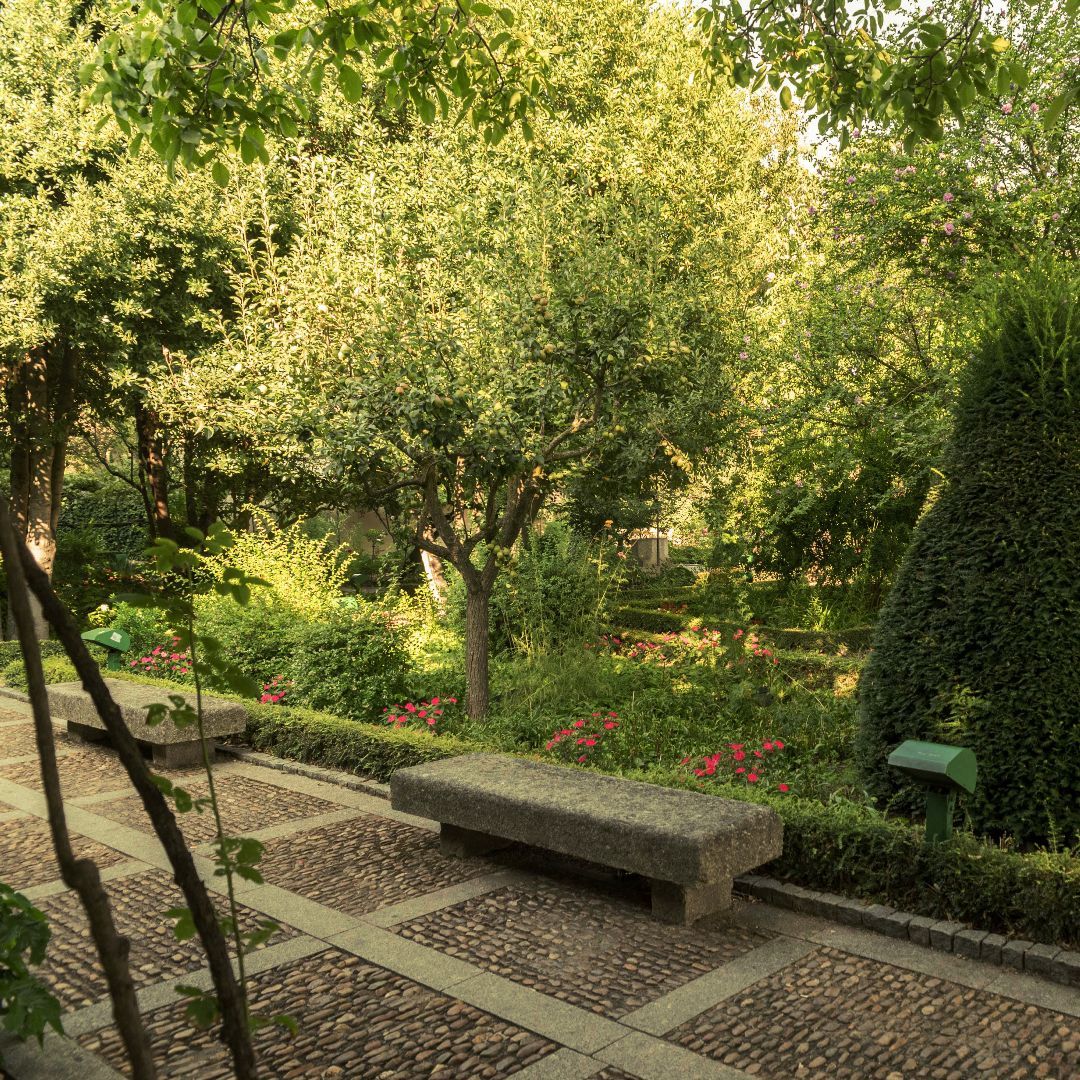
The garden of Calixto and Melibea is a park located in Salamanca. In it stands a statue of the character of old Celestina, by Fernando de Rojas. This is because it is believed that this could be the place where the writer based himself for the meeting of lovers, Calixto and Melibea. From this garden area you can contemplate the views of the Tormes river and the Salamanca Cathedral.
Convent of San Esteban in Salamanca

Convent of San Esteban de Salamanca

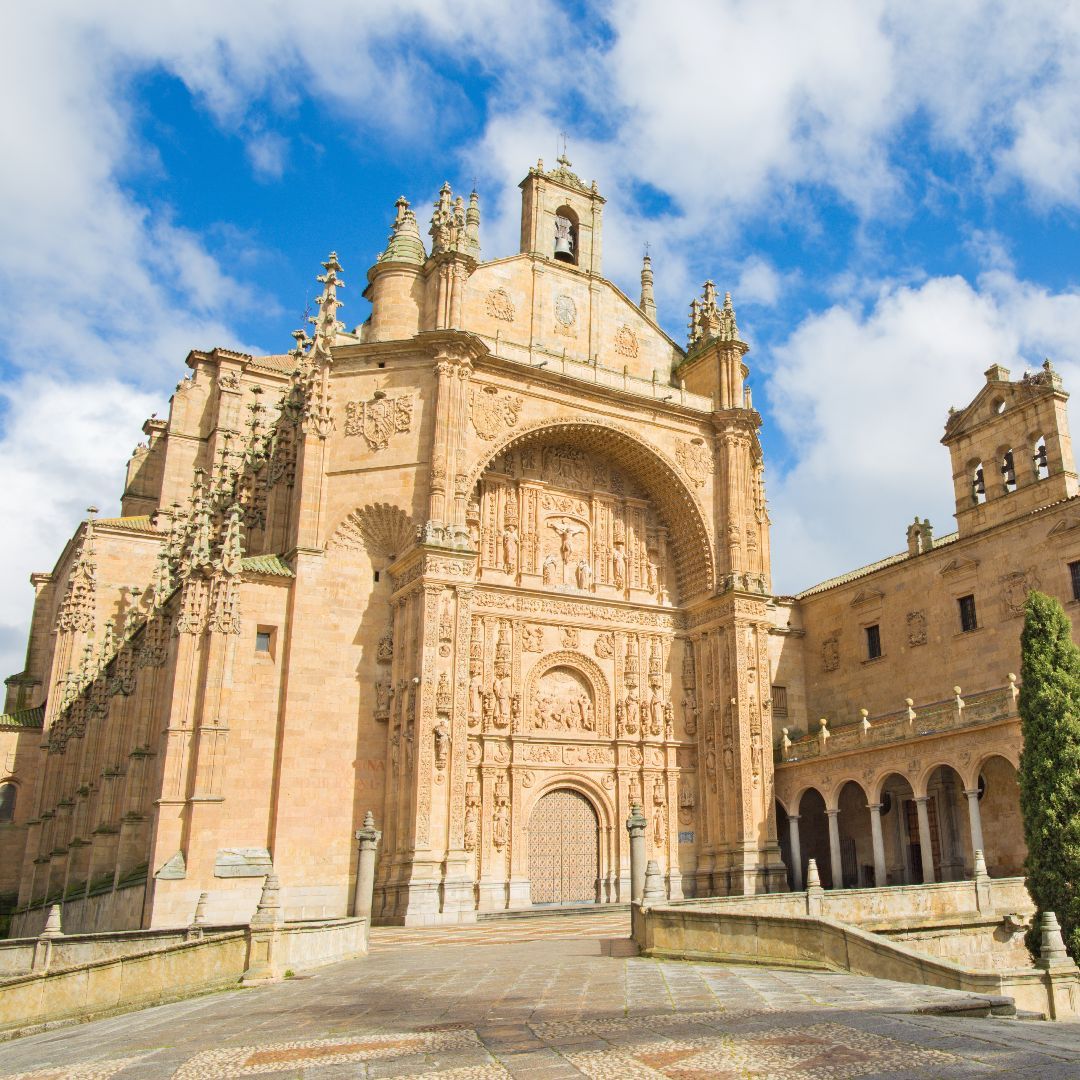
The Convent of San Esteban is a convent in Salamanca belonging to the Dominican Order. This church has a facade full of relief details and is an example of late Gothic and Renaissance art. Its interior stands out for the choir, the main altarpiece and the twisted columns. This was where Christopher Columbus lived and studied. Also, Fray Francisco de Vitoria, theologian, philosopher, jurist and professor, was the precursor of human rights and international rights.
Convent of Las Dueñas, Salamanca

Convent of Las Dueñas, Salamanca

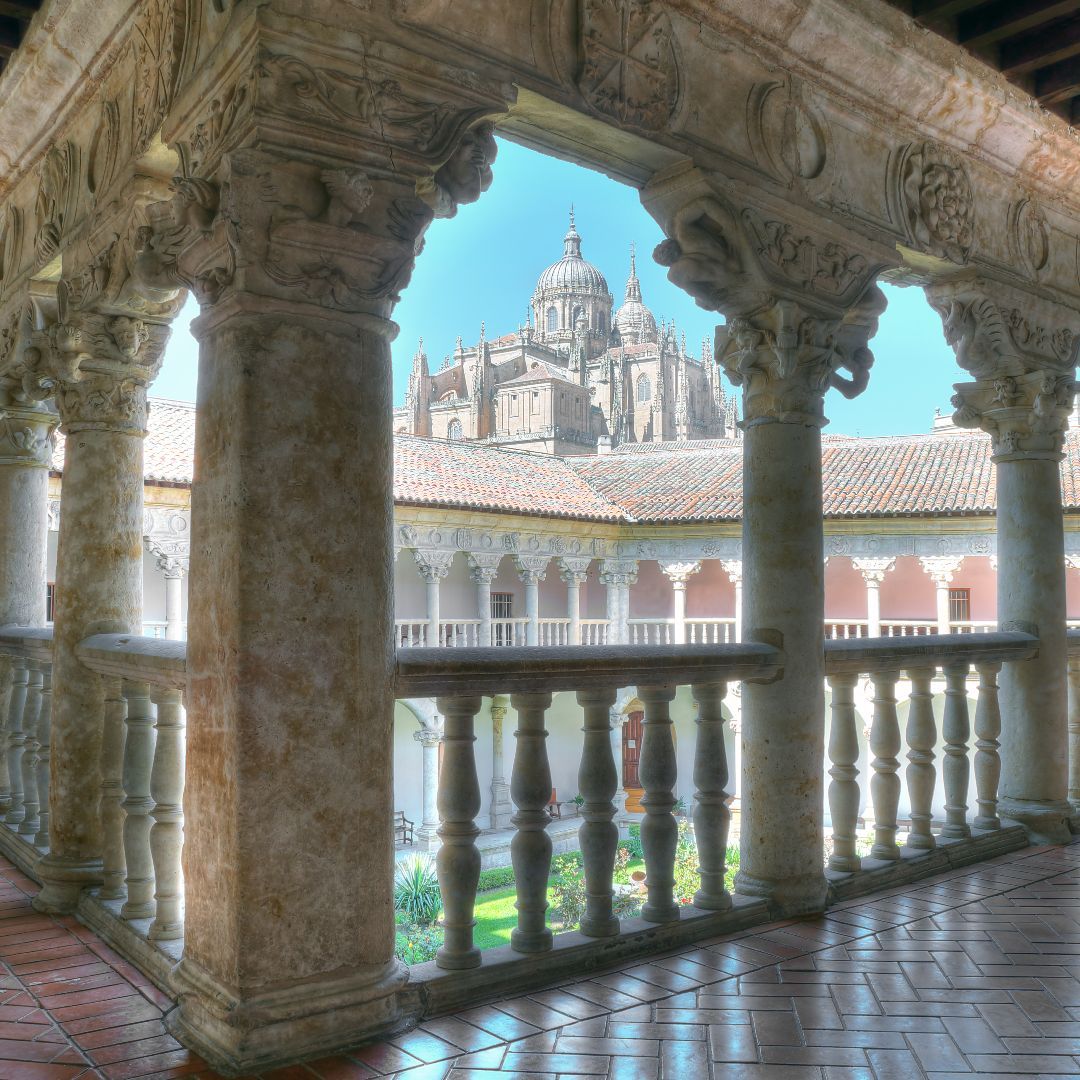
The Convent of Las Dueñas, located in Salamanca, belongs to the Dominican Order. This convent is noted for its beautiful cloister and for its fabulous sweets made by the nuns, among which are amarguillos, cream cookies, puff pastries and the typical mantecados of the region
Salina or Fonseca Palace, Salamanca

Salt Palace

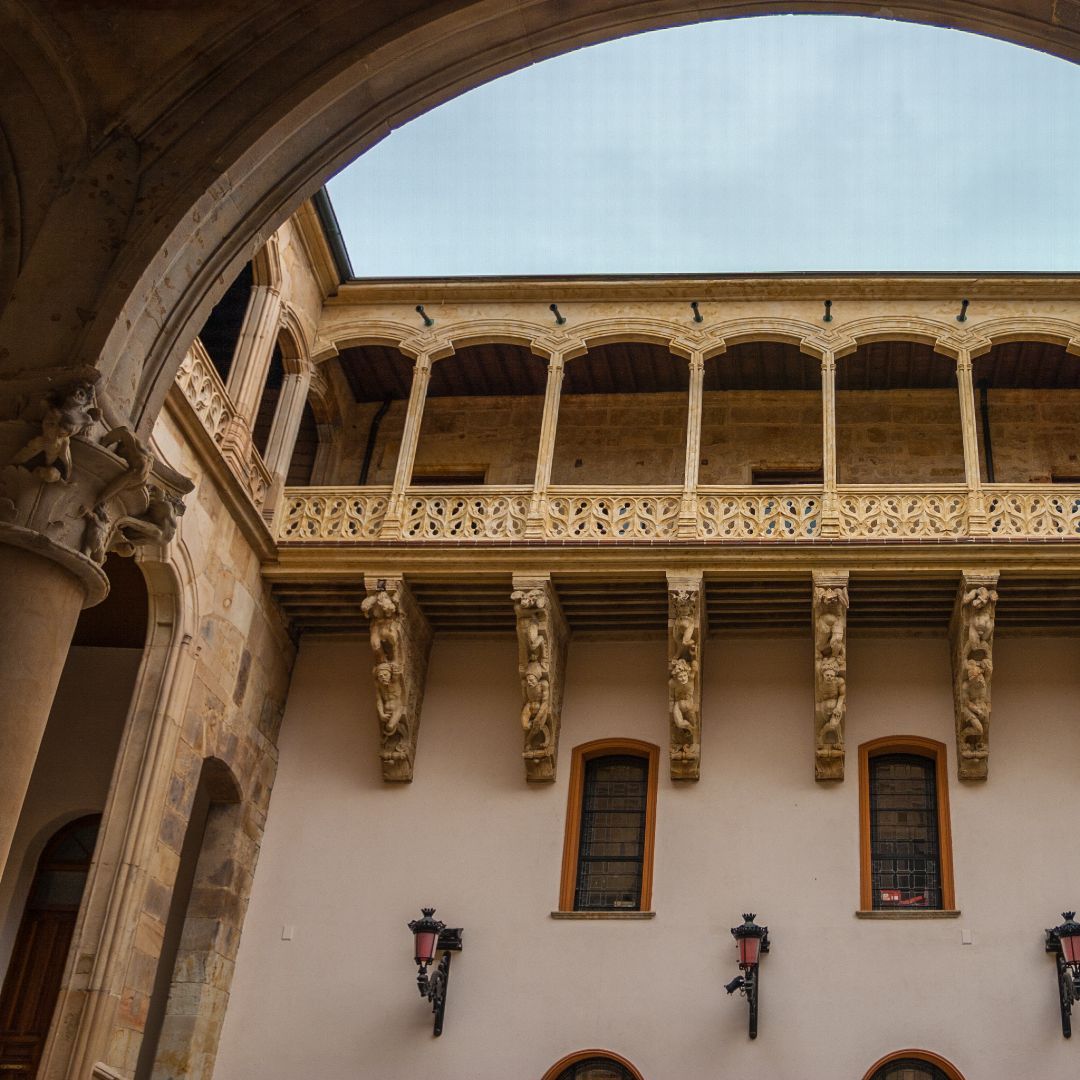
This former Palacio de la Salina is located in Salamanca. Also known as Fonseca, it was also the city's salt pond. Currently, access to the courtyard is for public use and you can admire its Dantesque columns with different characters with twisted torsos.
prev
next

Destinations related to Salamanca

Castile and Leon

Europe

Europe

The Sagrada Familia, Barcelona, Catalonia, Spain

Spain

prev
next
[email protected]
+34 871242324
Contact
About us
Family experiences
Travel as a couple
Senior travel experiences
Experiences with friends
Cultural trips
Outdoor experiences
Historical voyages
Romantic getaways
Gastronomic experiences
Stargazing experiences
Cruise ships
Great Trips
Beaches
Find the perfect hotel for your trip
Destinations
Weekends away
3 day trips
5 day trips
7 day trips
getaways
  • ES
  • PT
  • IT
  • FR
  • EN
  • DE
  • CA
Nativics
NATIVICS TRAVEL,SL (B09721093) - AVBAL/795
Terms and conditions
Cookies policy
Privacy policy