Gaudí's Capricho
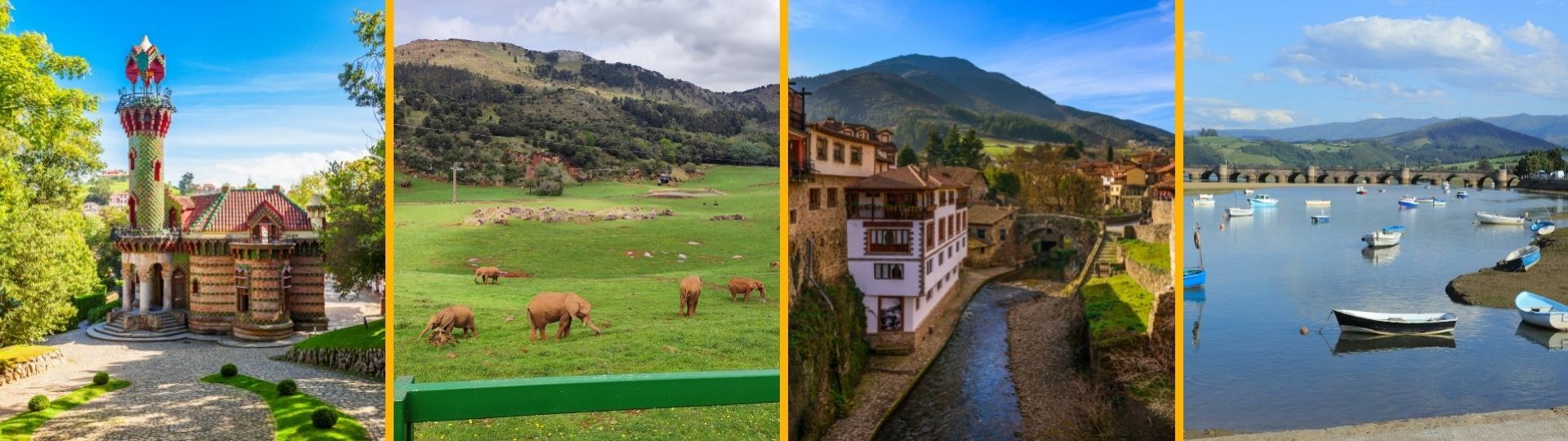
El Capricho de Gaudí was designed by architect Antonio Gaudí and commissioned by Máximo Díaz de Quijano, a young bourgeois from Santander who made a great fortune in Cuba as a lawyer for the Marquis of Comillas, Antonio López y López. In addition to being a lawyer, he was a writer and a lover of botany and music. Hence his house, the Capricho de Gaudí, is shaped like a sunflower and decorated with flowers. The name Capricho is due to the exotic elements that make up this building: the Persian-style tower, the wrought ironwork and the bright colors of the facade. This building of 720 m² spread over three floors, is one of the few that Gaudí made outside Catalonia. This is because the Marquis of Comillas had very good relations with the Catalan bourgeoisie, especially with Eusebi Güell. The sunflower is the main element of the Capricho, not only as a decorative element but the whole house is built to follow the sun and capture the light. Thus, the rooms are distributed based on the position of the sun. In keeping with Máximo Díaz de Quijano's love of botany and music and Antonio Gaudí's love of nature, both outside and inside the building you will find palm trees, larks, and laurels, blackbirds and even a couple of animals playing musical instruments as well as a greenhouse garden. A real jewel of modernist architecture!
Palace of Sobrellano
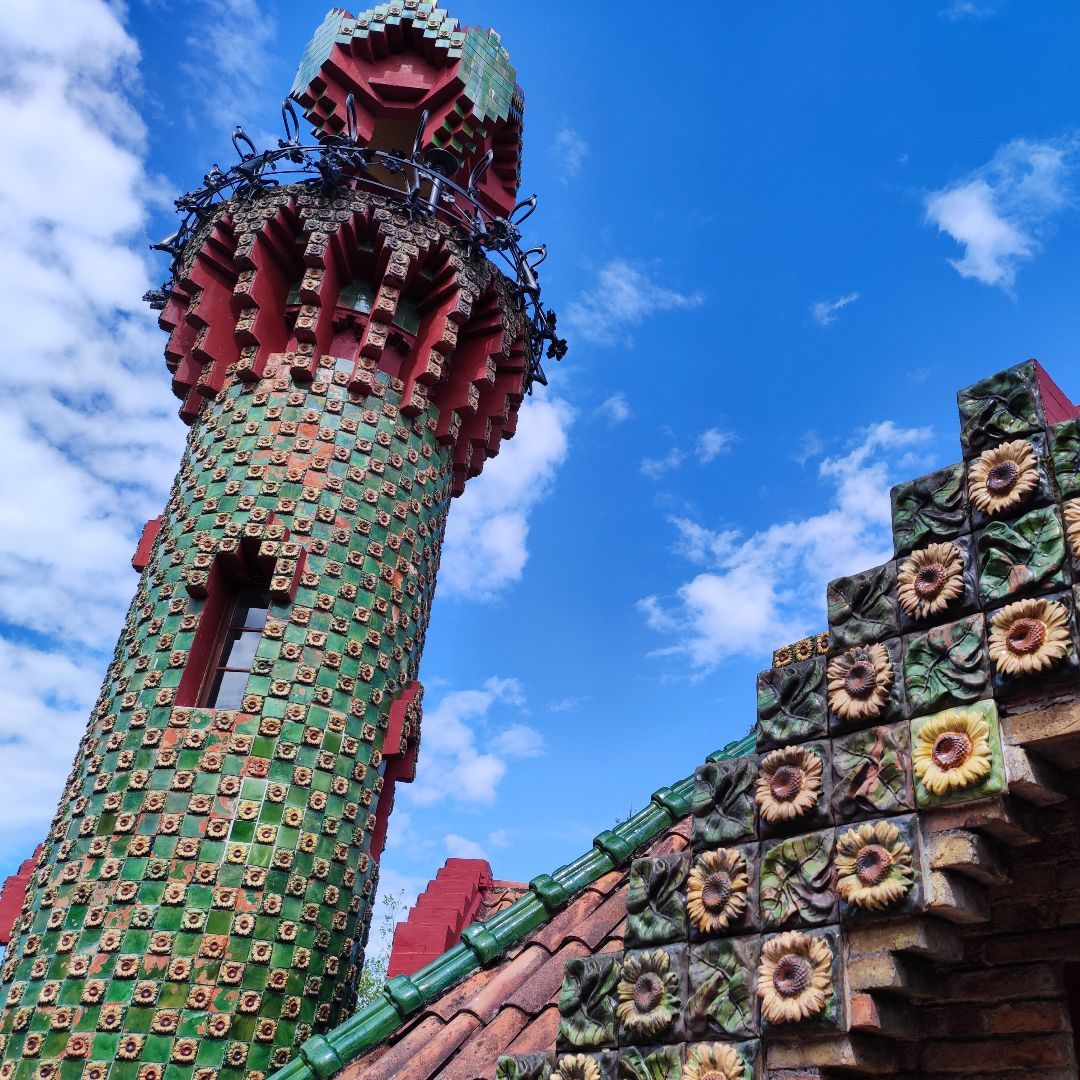
The Sobrellano Palace is located in Comillas, Cantabria. This building was built between 1881 and 1888 as the summer residence of the first Marquis of Comillas, who died in 1883 without being able to enjoy it. In neo-Gothic style, this palace was designed by the architect Joan Martorell i Montells, introducing Catalan modernism in Comillas. The Marquis of Comillas had a very good relationship with the Spanish royalty so Alfonso XII came to visit the palace under construction and inaugurated the chapel-pantheon that is located next to the palace and was created as a family mausoleum. With the death of the 1st Marquis of Comillas, his son and 2nd Marquis, continued with the project giving it more sobriety, eliminating the ballroom and turning it into a room for works of art, archaeological and ethnographic pieces from Cantabria and the Philippines. It is currently open to the public.
prev
next